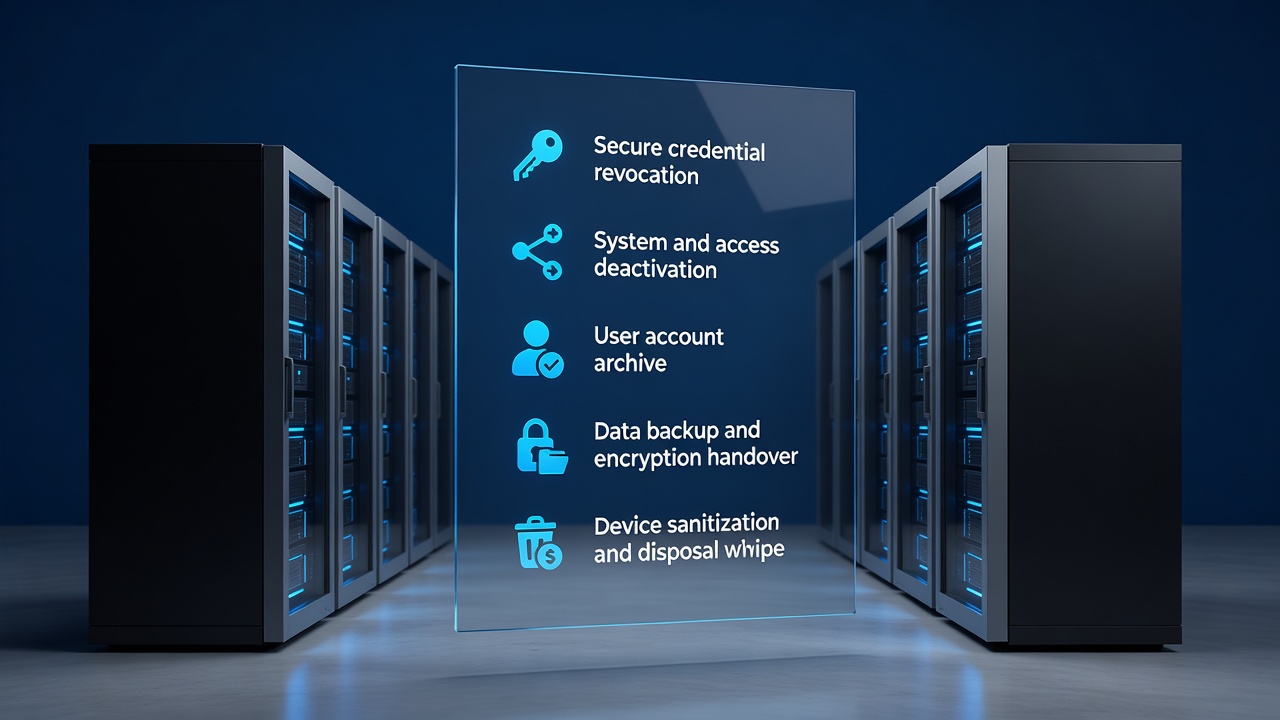
Employee turnover is an inevitable part of running a small business in Keokuk. Whether a long-time bookkeeper is moving to Des Moines or a seasonal warehouse clerk is finishing their contract, the process of offboarding requires more than just a final paycheck. It demands a structured approach to protect your company’s data, maintain operational continuity, and ensure a professional exit. For local businesses, where relationships are tight and resources are limited, a disorganized offboarding process can lead to security gaps, lost institutional knowledge, and unnecessary stress for remaining staff. This checklist provides a practical, step-by-step guide to managing employee departures effectively.
Secure Access and Credentials
The first priority in any offboarding scenario is securing digital access. An employee who has left the building but still has access to email, cloud drives, or financial software poses a significant risk. You must immediately disable or change passwords for all accounts associated with the departing employee. This includes email, Microsoft 365 or Google Workspace, accounting software like QuickBooks, and any customer relationship management (CRM) tools.
- Reset shared passwords: If the employee knew any shared passwords for Wi-Fi, printers, or software licenses, change them immediately.
- Revoke physical access: Collect keycards, office keys, and parking passes. For businesses with multiple locations in the Keokuk area, ensure all physical entry points are updated.
- Update email forwarding: Set up automatic forwarding for the employee’s email to a departmental inbox or their replacement. Ensure the “sent” folder is archived so important correspondence is not lost.
- Remove from distribution lists: Take the employee off internal newsletters, client lists, and vendor contact lists to prevent awkward or confusing communications.
Recover Hardware and Software Licenses
Small businesses in Keokuk often operate with limited IT budgets, making the recovery of hardware and software licenses critical. Laptops, tablets, and mobile phones are valuable assets that should be returned and wiped according to your data retention policy. Additionally, software licenses are often tied to specific users. If you are not using a volume licensing agreement, you may need to deactivate the departing employee’s license to free it up for a new hire.
- Inventory all devices: Create a list of all company-owned devices assigned to the employee, including laptops, monitors, docking stations, and mobile phones.
- Check for personal data: Before wiping devices, confirm with the employee that all personal files have been removed or transferred. This prevents disputes and ensures a smooth transition.
- Deactivate software licenses: Log into your software vendor portals to deactivate licenses for the departing user. This is particularly important for expensive tools like Adobe Creative Cloud or specialized industry software.
- Update asset records: Mark the returned hardware as “In Stock” or “Ready for Deployment” in your asset management system to keep your inventory accurate.
Transfer Knowledge and Responsibilities
One of the most overlooked aspects of offboarding is the transfer of institutional knowledge. In a small business, one person often holds the keys to specific processes, client relationships, or vendor contacts. If that person leaves without a proper handover, the remaining team may struggle to maintain service levels. Schedule a dedicated handover meeting at least one week before the final day. During this session, the departing employee should document their daily tasks, ongoing projects, and key contacts.
- Document standard operating procedures (SOPs): Ensure that any unique processes handled by the employee are written down and stored in a central, accessible location.
- Introduce key contacts: Have the departing employee introduce their replacement to important clients, vendors, or partners via email or a brief call.
- Review ongoing projects: Go through any active projects, noting deadlines, blockers, and next steps. This ensures that work does not stall during the transition.
- Assign a point of contact: Designate a specific team member to be the go-to person for questions related to the departing employee’s former role for the first month after their exit.
Conduct an Exit Interview and Finalize HR Tasks
The exit interview is a valuable opportunity to gain insights into your company culture, management practices, and operational challenges. While it is not the time to solve every problem, it is a time to listen. Ask open-ended questions about what worked well, what could be improved, and why they are leaving. This feedback can help you refine your hiring and retention strategies in the future.
- Prepare a final paycheck: Ensure that the final paycheck is issued according to Iowa state labor laws, including any accrued but unused vacation time if your company policy requires it.
- Provide benefits information: Send a summary of their benefits, including health insurance end dates, 401(k) rollover options, and any other relevant HR documents.
- Update payroll records: Remove the employee from your payroll system to prevent accidental payments in future cycles.
- Send a thank-you note: A brief, professional email thanking the employee for their contributions helps maintain a positive relationship, which can be beneficial if they become a future client, partner, or even a rehired employee.
Final Thoughts
Offboarding is not just about closing out an employee’s account; it is about protecting your business and ensuring a smooth transition for your team. By following this checklist, Keokuk small businesses can minimize the risk of data breaches, reduce operational disruptions, and maintain a professional reputation. Implementing a consistent offboarding process demonstrates to your current employees that you value their time and security, which can improve morale and retention. Take the time to establish these steps now, and you will be better prepared for the inevitable changes that come with growing a business.