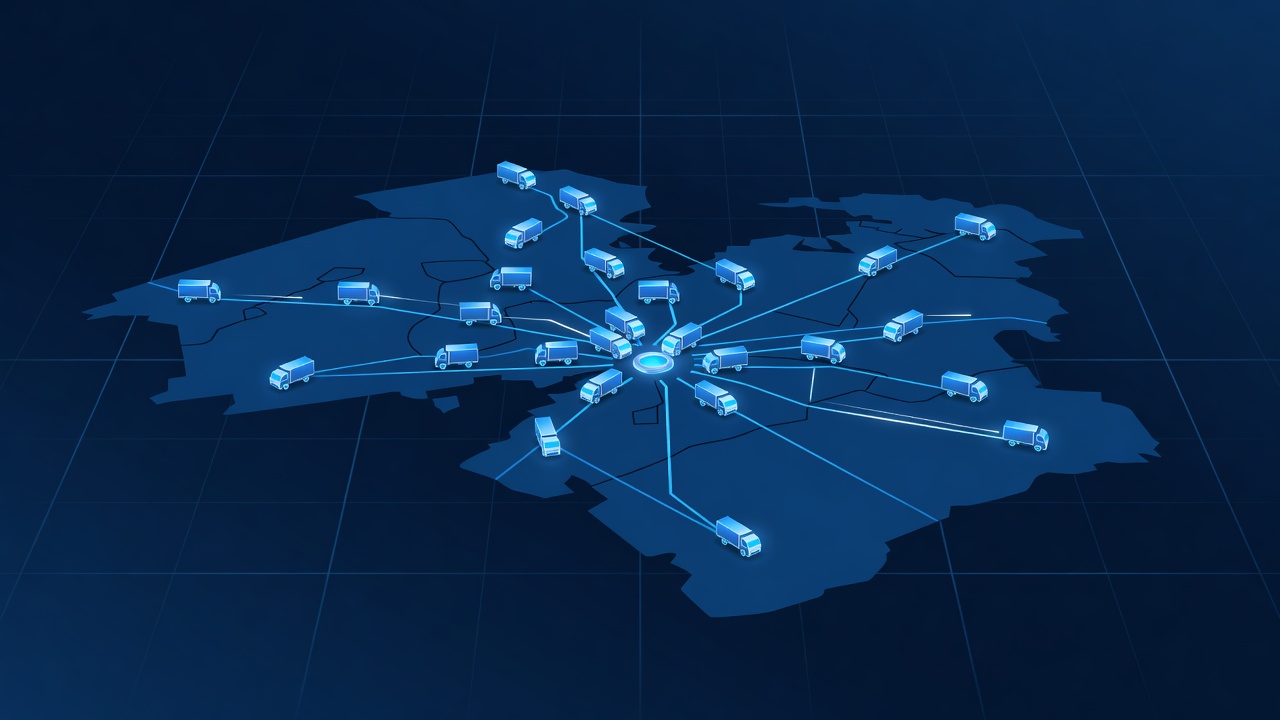
For small and medium-sized businesses in Quincy, the difference between a profitable day and a lost one often comes down to logistics. Whether you are running a local delivery route through the industrial corridors or dispatching field-service technicians to residential neighborhoods, knowing exactly where your assets are is no longer a luxury—it is a necessity. Yet, many local operators still rely on phone calls and “I’ll be there in ten minutes” estimates. It is time to upgrade.
Implementing GPS fleet tracking is one of the most cost-effective steps a Quincy SMB can take to improve efficiency, reduce fuel waste, and enhance customer satisfaction. However, the market is saturated with options, ranging from cheap plug-and-play devices to complex enterprise software. How do you choose the right system for a fleet of five to fifty vehicles? Here is what you need to know.
Prioritize Real-Time Visibility and Accuracy
The core function of any GPS tracker is location data, but not all location data is created equal. For local delivery and field-service operations, you need real-time updates, not historical logs you review at the end of the day. When a customer in Quincy calls to ask where their technician is, you need to answer with precision.
Look for systems that offer high-frequency data pings. A tracker that updates every 15 seconds is far more useful for dynamic routing than one that updates every five minutes. Additionally, consider the accuracy of the signal. In dense urban areas or near large structures, GPS signals can degrade. A good provider will use hybrid positioning, combining GPS with Wi-Fi and cellular data to ensure your map pin is accurate within a few feet, not a few blocks. This level of detail allows you to confirm that a driver has actually arrived at the job site, rather than just being in the general vicinity.
Evaluate Integration with Your Existing Workflow
A GPS system that lives in a silo is a system that gets ignored. The best tracking tools for SMBs integrate seamlessly with the software you already use. If you are using a specific dispatch platform, a CRM, or even just a shared calendar, your GPS solution should talk to those tools.
Consider these integration points:
- Dispatch Software: Can the GPS feed directly into your dispatch board to show live vehicle status?
- Customer Communication: Can you automatically send a link to the customer that shows the technician’s live location? This simple feature reduces “where are you?” calls by up to 40%.
- Accounting and Invoicing: Can the system log job start and end times automatically? This saves your admin team hours of manual data entry.
If a provider requires you to buy a new dispatch system just to use their GPS, you are likely overpaying. Look for open APIs or native integrations with popular SMB tools.
Focus on Driver Behavior and Safety Features
Fuel is one of the largest controllable costs for a fleet. GPS tracking goes beyond location; it provides insights into how your drivers operate. Look for features that monitor hard braking, rapid acceleration, speeding, and idling. Excessive idling, for instance, can waste up to 15% of your fuel budget. By identifying which drivers or routes contribute to the most idling, you can make targeted adjustments.
However, be mindful of how you use this data. The goal is coaching, not punishment. Choose a platform that allows you to set speed limits and geofences. For example, you can set a geofence around a specific delivery zone in Quincy. If a vehicle enters that zone, the system can automatically log the arrival. If a driver exceeds 45 mph in a residential area, the system can flag it for review. This objective data helps you have constructive conversations with your team, leading to safer driving habits and lower insurance premiums over time.
Consider Hardware Durability and Ease of Installation
Quincy’s weather and road conditions can be tough on equipment. Your GPS hardware needs to be durable. Look for devices with IP67 or higher ratings, which means they are dust-tight and can withstand immersion in water. This is crucial for vehicles that are exposed to the elements or operate in wet conditions.
Installation is another critical factor. There are two main types of hardware:
- Plug-and-Play: These devices plug into the OBD-II port under the dashboard. They are easy to install and remove, making them ideal for smaller fleets or vehicles that change hands frequently. However, they can be easily removed by a driver.
- Hardwired: These units are connected directly to the vehicle’s battery and ignition. They are more secure and provide additional data like battery voltage and ignition status. They require professional installation but are more reliable for long-term use.
For a mixed fleet, you might consider a hybrid approach. Use hardwired units for your primary workhorses and plug-and-play units for temporary or seasonal vehicles.
Analyze the Total Cost of Ownership
The sticker price of the hardware is only part of the equation. You need to look at the total cost of ownership (TCO) over three to five years. This includes:
- Monthly Subscription Fees: Are you paying per vehicle or per user? Some providers charge extra for advanced features like route optimization or fuel reporting.
- Installation Costs: Is installation free, or is it a one-time fee?
- Contract Length: Are you locked into a long-term contract, or can you cancel month-to-month? Flexibility is valuable for growing businesses.
- Data Retention: How long does the provider keep your historical data? If you need to look back at last month’s routes for billing purposes, ensure the data is still accessible.
Avoid providers with hidden fees for data downloads or customer support. A transparent pricing model is a sign of a reliable partner.
Make the Decision Based on Your Specific Needs
There is no one-size-fits-all GPS solution. A local delivery company focused on speed and route optimization will have different needs than a field-service business focused on job site verification and customer communication. Before you sign a contract, list your top three pain points. Is it fuel waste? Is it late arrivals? Is it poor customer communication? Choose the provider that solves those specific problems best.
Start with a pilot program. Install the system on two or three vehicles for a month. Gather feedback from your drivers and dispatchers. See how the data translates into real-world improvements. Once you have proof of value, roll it out to the rest of the fleet.
By choosing the right GPS fleet tracking system, you are not just buying a device; you are buying clarity. You are giving your management team the tools to make data-driven decisions, your drivers the support they need to do their jobs efficiently, and your customers the confidence that you are professional and reliable. In the competitive landscape of Quincy’s local businesses, that clarity is your edge.