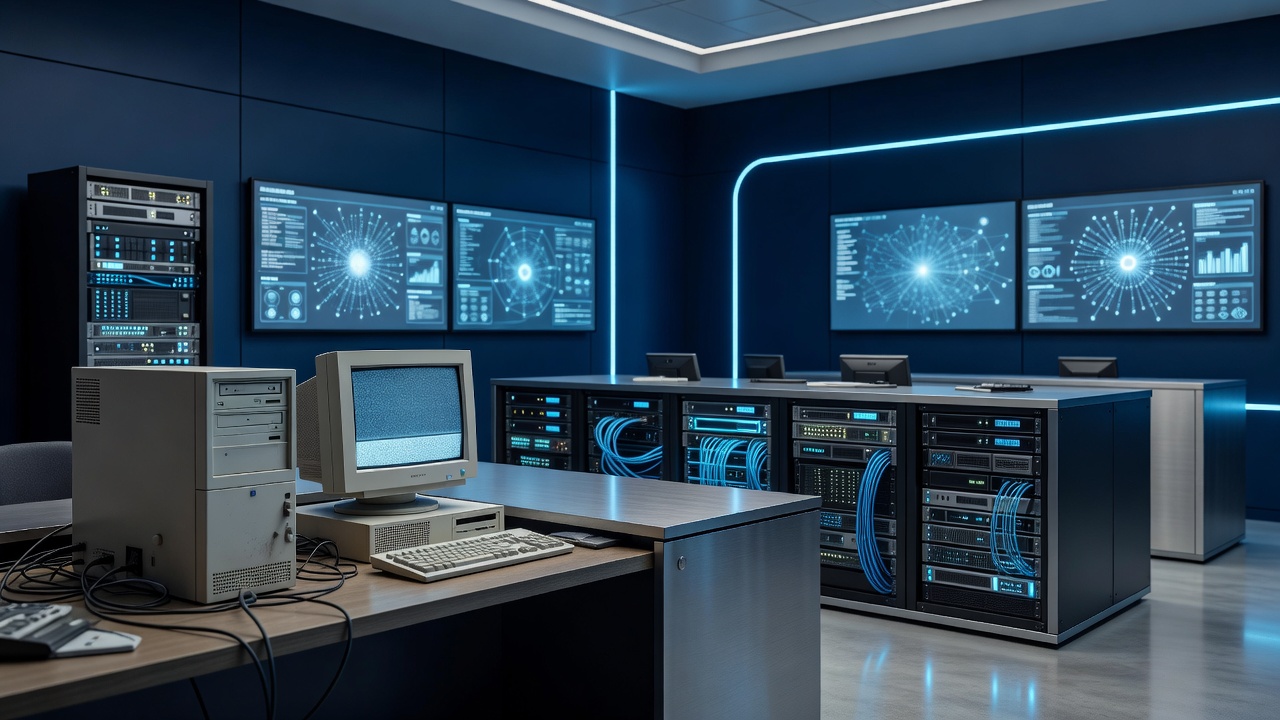
If you walk into most independent HVAC shops in the Hannibal, Missouri area, you will likely see the same scene. A technician is on the phone with a customer, a dispatcher is scribleshooting notes on a legal pad, and the front desk computer is running a version of software that hasn’t seen an update in three years. This setup feels familiar, but it is quietly bleeding money. Running your entire dispatch operation off a single front-counter PC creates a single point of failure that can stall your entire operation.
The front desk is the face of your business, but it should not be the brain. When dispatch lives on that one machine, you are tying your ability to schedule jobs, track parts, and manage technician availability to a single physical location. If that computer crashes, if the internet goes down, or if the dispatcher is on a lunch break, your shop effectively stops moving. For a local HVAC provider in the Hannibal and Marion County area, where response time is a key differentiator, this is an unacceptable risk.
The Hidden Costs of Single-Point Dispatch
The most obvious cost is downtime. When the front-counter PC freezes, technicians are stuck in their cars or on the job site, waiting for instructions. Customers are left on hold, and new leads are lost because no one can answer the phone or check availability. But the costs go deeper than just lost time.
- Data Silos: Information stays trapped in the local machine. If a technician needs to check a job history or a parts inventory level from the field, they have to call back to the office. This creates friction and slows down service.
- Scheduling Bottlenecks: Without real-time visibility into technician locations and job statuses, dispatchers often overbook or underutilize their team. This leads to overtime costs or missed opportunities to take on more work.
- Customer Experience: Modern customers expect instant confirmation and real-time updates. If your shop relies on manual phone calls and paper notes, you are falling behind competitors who offer digital transparency.
Why Cloud-Based Dispatch Changes the Game
Moving your dispatch operations to a cloud-based platform solves these problems by decentralizing your data. Instead of relying on one physical computer, your dispatch system is accessible from anywhere with an internet connection. This means your dispatchers can manage jobs from the office, from home, or even from a tablet in the van.
For HVAC shops in Hannibal, this flexibility is crucial. The local market is competitive, and customers often compare response times and professionalism. A cloud-based system allows you to:
- Real-Time Tracking: See exactly where your technicians are and what they are working on. This helps you make quick adjustments if a job runs long or if a new emergency call comes in.
- Automated Scheduling: Use algorithms to assign jobs based on technician skills, location, and availability. This reduces manual errors and ensures that the right person is sent to the right job.
- Integrated Communication: Send job details, parts lists, and customer notes directly to the technician’s mobile device. This eliminates the need for phone calls and ensures everyone is on the same page.
Implementing the Change Without Disrupting Operations
Switching from a front-counter PC to a cloud-based system does not have to be a painful process. Start by auditing your current workflow. Identify the tasks that are most time-consuming or error-prone. These are the areas where a new system will provide the most immediate value.
Next, choose a platform that integrates with your existing tools. Most modern HVAC dispatch systems can sync with your accounting software, parts inventory, and customer relationship management (CRM) tools. This ensures that data flows seamlessly between departments, reducing manual entry and improving accuracy.
Training your team is also critical. Dispatchers and technicians need to feel comfortable with the new system. Schedule hands-on training sessions and provide ongoing support during the transition. Encourage feedback from your team to identify any gaps or issues early on.
The Long-Term Benefits for Local HVAC Businesses
Adopting a cloud-based dispatch system is not just about fixing immediate problems; it is about positioning your business for long-term growth. As the HVAC industry continues to evolve, technology will play an increasingly important role in customer satisfaction and operational efficiency.
By moving away from the front-counter PC, you are investing in a scalable infrastructure that can grow with your business. Whether you are adding more technicians, expanding your service area, or offering new services, a cloud-based system can adapt to your needs. This flexibility allows you to focus on what you do best: providing excellent HVAC service to the Hannibal community.
In the end, the goal is simple. Stop letting a single computer dictate the pace of your business. Embrace the power of cloud-based dispatch to streamline operations, improve customer experience, and drive growth. Your competitors are already making the move. It is time for your shop to join them.