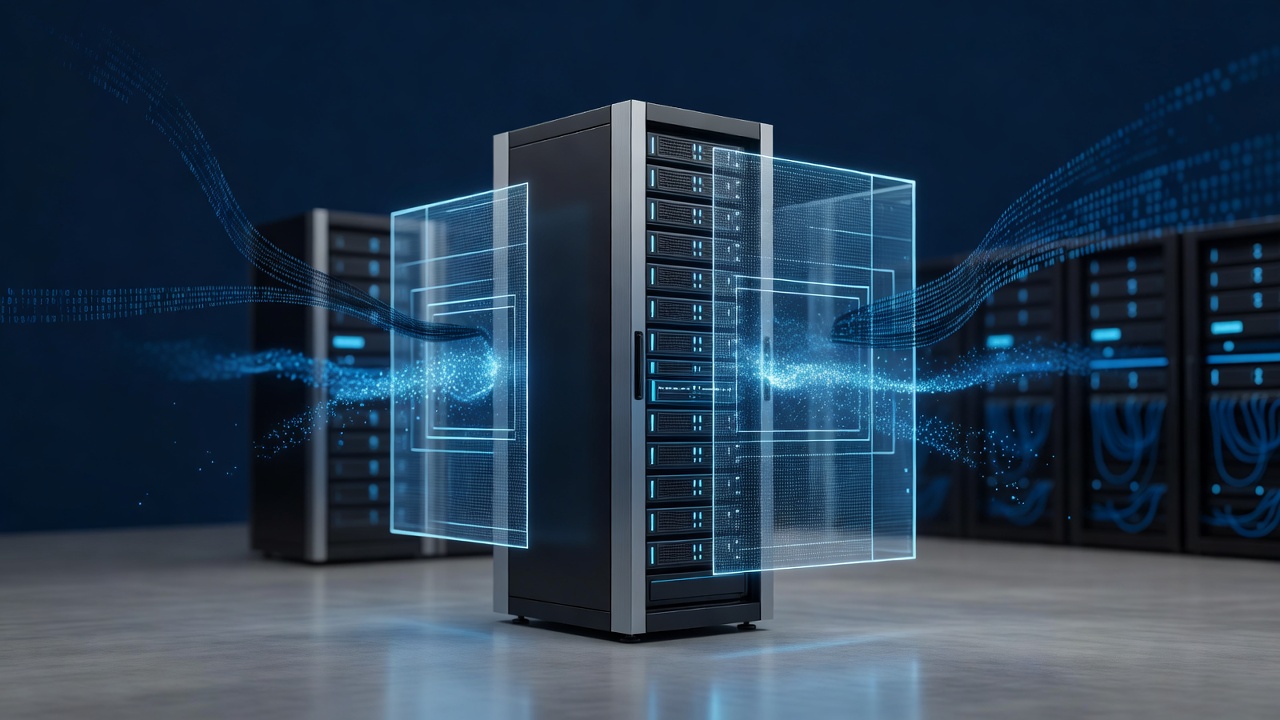
It is easy to assume that because your internet connection is fast and your software is cloud-based, the days of the physical security gate are over. In the modern digital landscape, many business owners in Hannibal believe that their internet service provider handles all the heavy lifting regarding network security. While your ISP does provide a basic layer of protection, it is rarely enough for a small business that holds customer data, processes payments, or manages internal communications. A dedicated firewall remains the single most effective tool for controlling who and what can enter your network.
The Difference Between a Router and a Firewall
Most small businesses in the area rely on a standard router provided by their internet provider. While a router directs traffic, it is not designed to inspect that traffic for malicious intent. A router is like a mailroom that sorts letters by address; it does not open the envelopes to check if the letter inside is a bill or a threat. A firewall, however, acts as a security guard. It inspects every packet of data entering and leaving your network against a set of rules you define.
For a local business, this distinction is critical. Without a proper firewall, your network is essentially an open door. Malicious software, unauthorized users, and automated bots can slip in through the same ports that legitimate traffic uses. A firewall closes that door and only opens it when you give the specific key.
Protecting Against Modern Threats
The threats facing small businesses today are not just the big, headline-grabbing viruses of the past. They are often silent and automated. Ransomware, for example, does not always announce itself. It often enters through a small, overlooked port or a compromised employee device. A modern firewall with Intrusion Prevention System (IPS) capabilities can detect these patterns and block the connection before the malware ever reaches your servers or workstations.
Furthermore, firewalls help mitigate Denial of Service (DoS) attacks. In a DoS attack, an attacker floods your network with so much traffic that your legitimate customers cannot get in. A firewall can filter out this excess noise, ensuring that your website and email services remain available to the people who actually need them. For a business in Hannibal, downtime is not just an inconvenience; it is lost revenue and lost trust.
Controlling Internal Traffic
Many business owners forget that a firewall protects you from the inside as well as the outside. If one employee’s computer gets infected with a virus, a standard network allows that infection to spread to every other device on the local network. A firewall with internal segmentation can isolate that infected machine, preventing the virus from jumping to the accounting server or the point-of-sale system.
This is particularly important for businesses that use a mix of devices. You might have a new laptop for the manager, an older desktop for inventory, and a printer that is connected to the network. A firewall ensures that the printer, which often has fewer security updates, cannot be used as a backdoor into the rest of your system.
Why Cloud Security Isn’t Enough
You might argue that since your data is stored in the cloud, you are safe. While cloud providers have robust security, the connection between your office and the cloud is still a wire. If that wire is compromised, your data is at risk. A firewall encrypts and monitors this traffic, ensuring that the data traveling between your local network and the cloud is not being intercepted or altered.
Additionally, not all your data is in the cloud. You likely still have local backups, local printers, and local applications. These assets are only as secure as the network they sit on. A firewall provides the perimeter defense that cloud security cannot offer on its own.
The Cost of Neglect
The cost of a firewall is often viewed as an expense, but the cost of a breach is a liability. For a small business, a single data breach can cost thousands of dollars in recovery, legal fees, and lost business. When you compare that to the monthly cost of a managed firewall service, the math is clear. You are not paying for a gadget; you are paying for peace of mind and operational continuity.
In the local business community, reputation is everything. If your website goes down or your email starts sending spam to your customers, word spreads quickly. A firewall helps keep your digital presence stable and professional.
Choosing the Right Firewall for Your Business
Not all firewalls are created equal. For a small business, you do not need a massive, enterprise-grade hardware box that requires a dedicated IT team to manage. Instead, you need a solution that is scalable and easy to maintain. Many businesses in the area are moving toward software-based firewalls or managed security services. These solutions are hosted in the cloud and managed by experts, meaning you do not have to worry about updates or configuration errors.
When selecting a firewall, look for these features:
- Automatic Updates: The firewall should update its threat database daily without you having to lift a finger.
- User-Friendly Dashboard: You should be able to see what is being blocked and what is being allowed in plain English.
- Scalability: The solution should grow with your business. If you add ten new employees, the firewall should handle the increased traffic without a major overhaul.
- Support: Ensure that you have access to human support. When something goes wrong, you need someone to call who understands your specific setup.
The Bottom Line
A firewall is not a relic of the past; it is the foundation of your digital security. It is the first line of defense against the thousands of automated attacks that happen every day. For a small business in Hannibal, investing in a proper firewall is one of the most cost-effective steps you can take to protect your assets, your customers, and your reputation. Do not leave your front door unlocked just because the neighborhood looks quiet. Secure your network, and focus on what you do best: running your business.