Quincy, Illinois, sits on the western edge of the Chicago metropolitan area, a location that defines its industrial identity. Unlike the coastal Quincy in Massachusetts, this Quincy is a hub for heavy manufacturing, logistics, and precision machining. The local machine shops here operate in a high-stakes environment where downtime is measured in dollars per minute. The IT infrastructure supporting these facilities is not about sleek consumer gadgets or cloud-only workflows; it is about rugged, reliable systems that can withstand the dust, heat, and vibration of a production floor. For the shop owners and IT managers in this region, the goal is simple: keep the machines cutting and the data safe.
Hardened Shop-Floor PCs
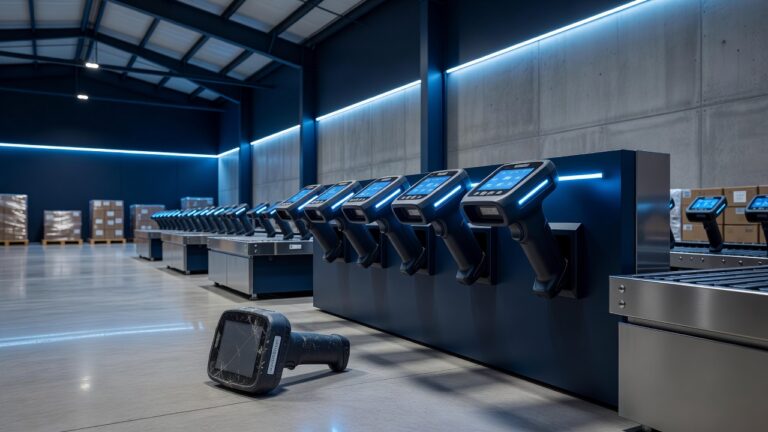
The first line of defense in any Quincy machine shop is the computer itself. Standard office PCs are ill-suited for the environment near a CNC mill or a laser cutter. The air is often thick with metal shavings, coolant mist, and fine particulate matter. A standard desktop tower will clog its fans within months, leading to overheating and unexpected shutdowns during critical production runs.
Local IT providers in the Quincy area focus on deploying industrial-grade workstations. These systems feature:
- Fanless designs: Eliminating moving parts reduces the risk of dust ingestion and mechanical failure.
- Sealed enclosures: IP-rated cases keep coolant spray and metal dust out of the internal components.
- Wide-temperature tolerances: These PCs are built to handle the heat generated by large machinery and the cooler temperatures found in unheated warehouse sections.
By placing these hardened units directly at the point of operation, operators can monitor jobs in real-time without walking back to a clean office. This proximity reduces human error and allows for immediate adjustments to feed rates or tool paths, ensuring that the Quincy shop’s output remains consistent and precise.
CNC Network Isolation
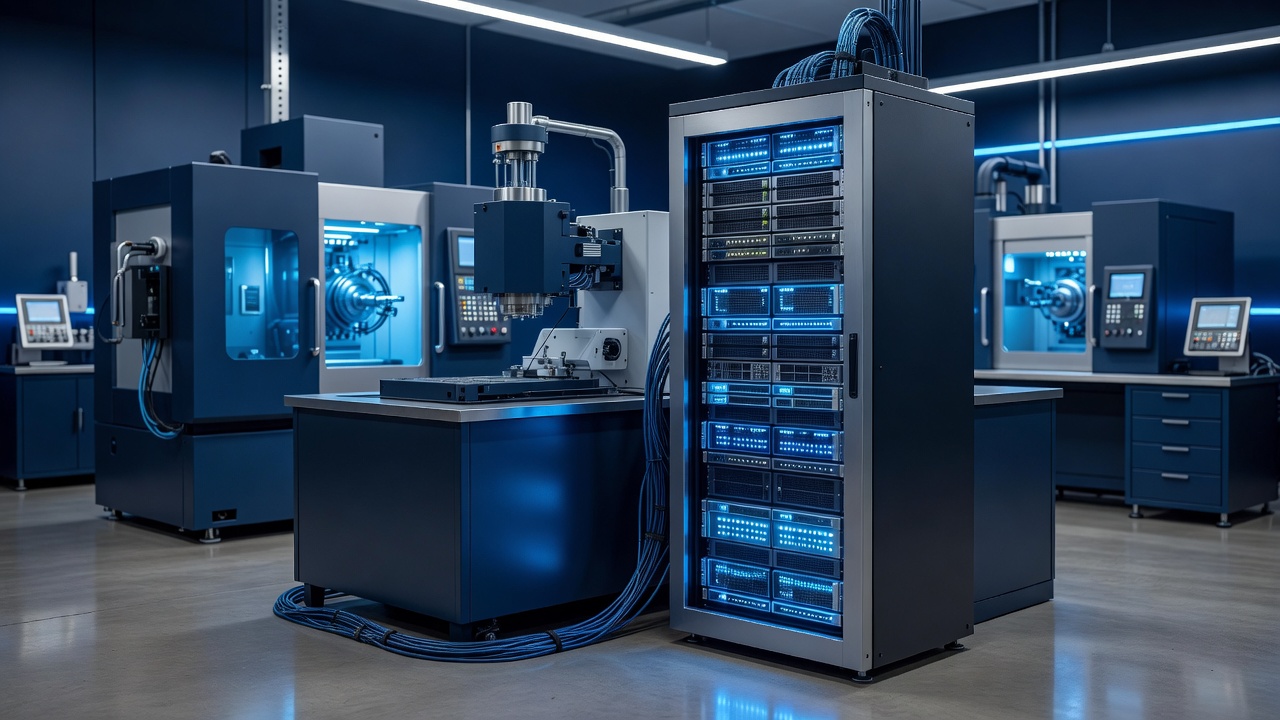
One of the most critical aspects of modern shop-floor IT is network architecture. Many machine shops in Quincy, Illinois, have moved from standalone machines to networked CNCs, allowing for centralized monitoring and data collection. However, connecting production machinery to the same network as the office email server or the guest Wi-Fi is a recipe for disaster.
Network isolation is the standard practice for protecting these assets. The IT strategy involves creating a dedicated VLAN (Virtual Local Area Network) or a physically separate network for all CNC controllers, PLCs, and sensors. This ensures that:
- Traffic is prioritized: Real-time control signals from the CNCs are not delayed by large file transfers or video streaming from the office.
- Security is contained: If a virus enters through an office laptop, it is contained within the office network and does not jump to the production floor.
- Bandwidth is reserved: The shop floor network has guaranteed bandwidth for data logging and remote monitoring, ensuring that no data packets are lost during a shift.
This isolation is particularly important for shops in Quincy that serve automotive or aerospace clients, where traceability and data integrity are contractual requirements. A robust, isolated network ensures that the data coming off the machine is accurate and that the machine itself is not vulnerable to external cyber threats.
Automated and Redundant Backups
The final pillar of reliable IT in Quincy machine shops is the backup strategy. In this industry, data is not just emails and spreadsheets; it is the digital twin of the physical product. This includes G-code files, CAD models, tool offset data, and production logs. Losing this data can mean scrapping an entire batch of parts or spending days reprogramming a complex job.
Effective backup systems in this region follow a strict 3-2-1 rule: three copies of the data, on two different media types, with one copy off-site. For Quincy shops, this often looks like:
- Local NAS (Network Attached Storage): A fast, on-site backup that allows for quick restoration if a file is accidentally deleted or a hard drive fails.
- Cloud Backup: An encrypted copy stored off-site, protecting against physical disasters like fires or floods, which are risks in any industrial setting.
- Versioning: Keeping multiple versions of critical files, so that if a bad edit is made to a G-code file, the operator can roll back to the last known good version.
Automation is key. Backups should run during non-production hours or in the background without slowing down the network. IT managers in Quincy rely on these automated processes to ensure that the shop is always one step ahead of potential data loss.
Conclusion
The IT infrastructure in Quincy, Illinois, machine shops is a specialized blend of rugged hardware, secure networking, and disciplined data management. It is not about the latest technology, but about the most reliable technology. By focusing on hardened PCs, isolated networks, and redundant backups, these shops ensure that their machines keep running, their data stays safe, and their business continues to thrive in the competitive Chicago-area manufacturing landscape.