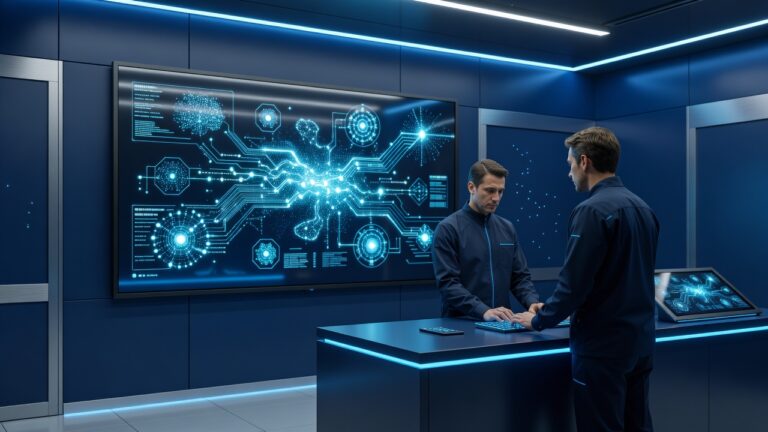
Managing real estate in Quincy, Massachusetts, requires balancing the demands of historic preservation with the expectations of modern tenants. As property portfolios expand, so does the digital footprint. Many property managers are migrating to cloud-based software for lease tracking, maintenance requests, and financial reporting. While these tools offer efficiency, they also create new vulnerabilities. If tenant data or building management systems (BMS) are exposed to the open internet without proper safeguards, a single breach can lead to significant financial loss, legal liability, and reputational damage. Protecting your digital infrastructure is no longer an IT afterthought; it is a core component of property stewardship.
The Hidden Risks of Exposed Tenant Data
Tenant data is one of the most valuable assets in your database. It includes names, contact information, payment history, and often sensitive personal details like Social Security numbers or bank account information. When this data resides on servers that are accessible via the public internet, it becomes a prime target for cybercriminals. In Quincy, where many properties are multi-unit residential complexes or mixed-use commercial buildings, the volume of data is substantial. A breach in one building’s management portal can sometimes cascade to others if the systems are interconnected.
The risk is not just about hackers stealing data. It is also about accidental exposure. Misconfigured cloud storage buckets or public-facing APIs can leave tenant records visible to anyone who knows the URL. This lack of privacy can erode tenant trust quickly. When tenants feel their personal information is not secure, they are more likely to seek housing elsewhere, leading to higher vacancy rates and increased turnover costs. To mitigate this, property managers must ensure that all tenant-facing portals use strong encryption and that access is strictly limited to authorized personnel. Regular audits of who has access to what data are essential to maintaining this security perimeter.
Securing Building Management Systems
Building Management Systems control the physical heartbeat of your property: HVAC, lighting, security locks, and fire safety systems. In the past, these systems were isolated on local networks. Today, they are increasingly connected to the internet to allow for remote monitoring and control. This connectivity offers convenience, such as adjusting temperatures from a smartphone, but it also opens the door to cyber threats. If a BMS is compromised, attackers can manipulate building environments, causing discomfort for tenants or even triggering false alarms in fire suppression systems.
In older Quincy properties, retrofitting smart devices into legacy infrastructure can be particularly risky. These devices often lack robust security features, making them easy entry points for attackers. Once inside the BMS network, a hacker can potentially move laterally to other connected systems. To protect these critical assets, property managers should implement network segmentation. This means keeping the BMS on a separate, private network that is not directly accessible from the public internet. Access should be granted only through secure gateways, and all devices should be updated with the latest firmware to patch known vulnerabilities.
Implementing Layered Security Strategies
Relying on a single security measure is rarely enough. A layered approach, often referred to as defense in depth, provides multiple barriers against threats. The first layer should be strong authentication. Multi-factor authentication (MFA) should be mandatory for all staff accessing property management software. This ensures that even if a password is compromised, the attacker still needs a second form of verification, such as a code sent to a mobile device.
The second layer is network security. Firewalls and intrusion detection systems should be configured to monitor traffic for unusual patterns. For example, if a maintenance request is submitted from a location that is geographically distant from the tenant’s usual location, the system should flag it for review. The third layer is data encryption. Data should be encrypted both in transit and at rest. This means that even if an attacker intercepts data packets or gains access to the server, the information remains unreadable without the decryption key.
Training Staff and Vendors
Technology is only as secure as the people using it. Many breaches occur due to human error, such as clicking on a phishing link or using weak passwords. Property managers in Quincy should invest in regular cybersecurity training for their staff. This training should cover recognizing phishing emails, creating strong passwords, and understanding the importance of logging out of systems when not in use.
Vendor management is another critical area. Many property managers rely on third-party vendors for maintenance, cleaning, and IT support. These vendors often need access to your systems to perform their work. However, if a vendor’s security practices are lax, they can become a weak link in your chain. Before granting access, review the vendor’s security policies. Ensure they use encrypted connections and that their access rights are limited to only what is necessary for their specific tasks. Regularly review and update these permissions to prevent access creep, where users retain access to systems they no longer need.
Monitoring and Incident Response
Prevention is important, but detection is equally critical. You need to know when something goes wrong. Implementing continuous monitoring tools allows you to track system activity in real-time. These tools can alert you to unusual login attempts, large data transfers, or changes to system configurations. By having a clear incident response plan, you can react quickly to minimize damage. This plan should outline who is responsible for each step of the response, from isolating affected systems to communicating with tenants and stakeholders.
Regular backups are also a vital part of your strategy. If a ransomware attack encrypts your data, having a recent, offline backup ensures you can restore your systems without paying a ransom. Test your backups regularly to ensure they are reliable. In the event of a breach, the speed of your response can determine the extent of the impact. A well-prepared team can contain a threat before it spreads, protecting both your data and your reputation in the Quincy market.
Conclusion
Securing tenant data and building systems is an ongoing process, not a one-time task. As technology evolves, so do the threats. By adopting a proactive approach to cybersecurity, Quincy property managers can protect their assets and provide a safer living and working environment for their tenants. Focus on encryption, network segmentation, staff training, and continuous monitoring. These steps will help keep your digital infrastructure secure, ensuring that your property management operations remain efficient and resilient in an increasingly connected world.