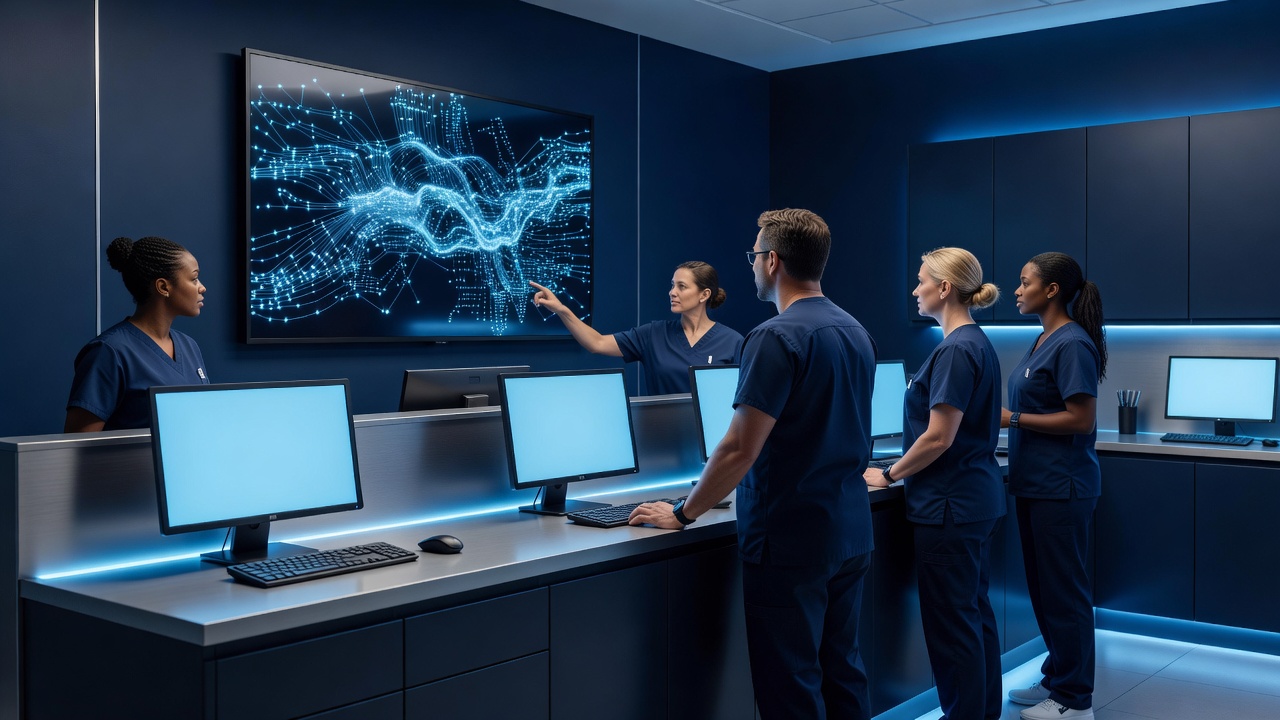
The nurse station in Hannibal, Missouri, is a high-traffic zone. It is the command center for the entire facility, where shift changes happen, medications are verified, and emergency calls are triaged. Despite the widespread adoption of electronic health records (EHR) and the industry’s push for digital security, a persistent practice remains: shared login credentials. While it seems like a relic of the paper-chart era, the continued use of shared logins in Hannibal’s long-term care facilities is driven by specific operational, financial, and cultural factors unique to the region. Understanding why this happens requires looking beyond simple negligence and examining the daily realities of rural healthcare.
The Pressure of Rural Staffing Shortages
Hannibal is a mid-sized city in the Missouri Bootheel, an area that has historically struggled with healthcare workforce retention. Unlike major metropolitan areas, local nursing homes here often operate with leaner staff-to-patient ratios. When a facility is short-staffed, the administrative overhead of individual logins becomes a significant bottleneck.
- Shift Handoffs: In a 24-hour operation, nurses rotate every eight hours. If each nurse must log in and out individually, the transition period can stretch from five minutes to fifteen. During this time, patients are technically “unmonitored” in the digital system.
- Agency Staff Integration: Hannibal facilities frequently rely on travel nurses and agency staff to fill gaps. These workers may only be on-site for a few days. Creating a unique user profile for a temporary worker is often seen as more trouble than it is worth, especially when the agency staff is already familiar with the facility’s protocols.
- Emergency Protocols: In critical situations, such as a code blue, the priority is action, not authentication. Shared logins allow any available staff member to immediately access patient charts and document interventions without fumbling for personal credentials.
The Cost-Benefit Analysis for Small Facilities
For many independent nursing homes in the Hannibal area, the financial incentive to maintain individual logins is low. The cost of EHR licenses is typically charged per user. In a facility with 100 beds, having 40 to 50 active nursing staff means a substantial monthly software expense.
- License Optimization: By sharing logins among teams, facilities can reduce the number of paid seats. For example, a “Day Shift” login might be used by three different nurses, while a “Night Shift” login is used by another three. This cuts the software cost by nearly half.
- Training Efficiency: Training a new nurse on a specific EHR interface takes time. If the new hire uses the same login as their mentor, they see the same saved views, shortcuts, and preferences. This reduces the learning curve and minimizes errors during the first few weeks of employment.
- IT Support Burden: Managing individual accounts requires IT support for password resets, account creation, and deactivation. In a rural setting, dedicated IT staff is rare. Shared logins simplify the technical management of the system, allowing the facility administrator to handle updates without a dedicated technician.
Cultural Inertia and Trust
There is also a strong cultural component to the shared login practice. In smaller communities like Hannibal, healthcare is often viewed through a lens of personal relationships and trust. The nurse station is a collaborative space where staff know each other well.
- The “Open Door” Policy: Many facilities operate on a culture of transparency. Staff feel comfortable accessing each other’s work because they trust their colleagues to document accurately. The shared login reinforces this sense of team unity.
- Resistance to Change: Older staff members who have worked in healthcare for decades may view individual logins as an unnecessary bureaucratic hurdle. They remember the era of paper charts, where anyone could look at a file. The transition to digital records has not fully shifted their mindset regarding access control.
- Informal Accountability: When a shared login is used, the team collectively takes responsibility for the entries made during that shift. This can lead to a higher level of peer review, as colleagues check each other’s work before the shift ends.
The Security Risks That Are Often Overlooked
While the operational benefits are clear, the security risks are significant. Shared logins make it difficult to trace specific actions to a single individual. If a medication is documented incorrectly, it is hard to determine which nurse made the error. This lack of individual accountability can complicate insurance claims and legal disputes.
- Audit Trail Gaps: In the event of an audit, the facility may struggle to prove who accessed a patient’s chart at a specific time. This can lead to longer investigation times and potential penalties.
- Password Sharing: Shared logins often lead to passwords being written on sticky notes, stored in shared spreadsheets, or passed verbally. This increases the risk of unauthorized access if a staff member leaves the facility.
- Data Breach Vulnerability: If a shared password is compromised, the entire shift’s access is at risk. This can expose patient data to a wider range of potential threats than a single compromised individual account.
Moving Forward: A Hybrid Approach
Hannibal nursing homes are not ignoring these issues. Many are beginning to adopt a hybrid approach that balances operational efficiency with security. This involves using shared logins for routine tasks while requiring individual logins for sensitive actions, such as prescribing medications or accessing financial records.
- Role-Based Access: Facilities are implementing role-based access controls that allow shared logins for general documentation but require individual authentication for critical changes.
- Biometric Authentication: Some newer facilities are experimenting with biometric logins, such as fingerprint scanners, which are faster than typing passwords and provide individual accountability.
- Staff Education: Ongoing training is helping staff understand the importance of individual logins and how they contribute to patient safety and legal protection.
The shared login practice in Hannibal nursing homes is not a sign of ignorance but a response to the unique challenges of rural healthcare. By understanding the operational, financial, and cultural drivers, stakeholders can develop solutions that respect the realities of the nurse station while improving security and accountability. As technology continues to evolve, the balance between efficiency and security will remain a critical focus for long-term care facilities in the region.