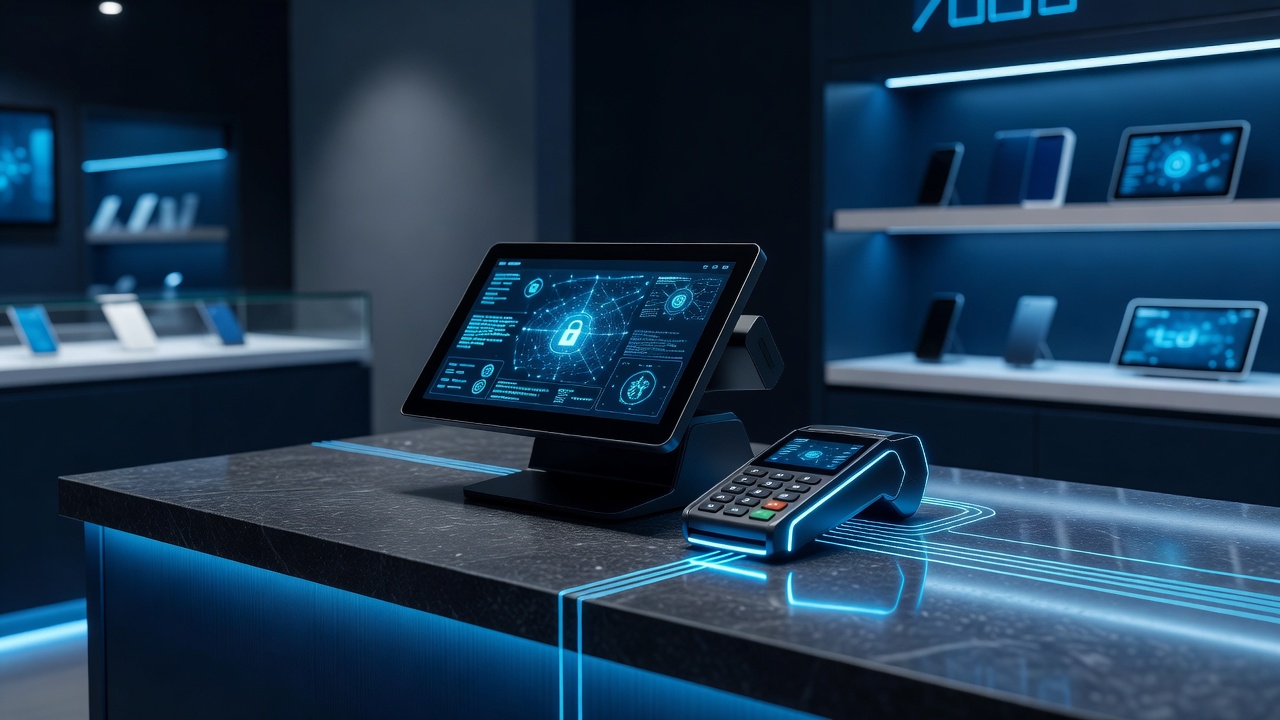
The bustling streets of Keokuk, Iowa, from the historic downtown corridor to the busy intersections near the river, are filled with small businesses that form the backbone of our local economy. From independent bookstores to family-owned restaurants, these establishments rely heavily on modern payment processing to keep their doors open. However, a growing threat looms over these local merchants: sophisticated attacks on point-of-sale (POS) systems and card terminals. While major national chains have deep pockets for cybersecurity, local Keokuk retailers often operate with leaner IT teams, making them prime targets for criminals seeking to skim credit card data. Understanding the specific vulnerabilities of your terminal and implementing robust security measures is no longer optional; it is a critical survival strategy for any business in the Quad Cities region.
The Hidden Risks of Modern Payment Terminals
Many business owners assume that if a transaction goes through, the system is secure. This is a dangerous misconception. Modern card terminals, whether they are countertop devices, mobile readers, or integrated POS software, are complex computers. They process sensitive data, connect to the internet, and communicate with third-party processors. This connectivity creates multiple entry points for attackers.
- Skimming Devices: Criminals can attach small, physical devices to the card slot or chip reader of your terminal. These devices capture the magnetic stripe or chip data when a customer swipes or taps their card.
- Malware Infections: If your POS system is connected to the internet, it can be infected with malware that sits dormant until it captures card data during peak hours.
- Man-in-the-Middle Attacks: Hackers can intercept the data transmission between your terminal and the payment processor if the connection is not properly encrypted.
- Physical Theft: Unlike online stores, physical terminals can be stolen or tampered with while the store is closed or during busy shifts when staff are distracted.
For a local retailer in Keokuk, the impact of a breach is not just financial. It includes the cost of replacing hardware, the fees for issuing new cards to customers, and the intangible but damaging loss of trust in your brand.
Essential Security Protocols for Local Merchants
You do not need a team of IT experts to secure your business. You need a disciplined approach to daily operations and a few key technical safeguards. Implementing these protocols will significantly reduce your risk profile.
- Enable Two-Factor Authentication (2FA): Ensure that anyone accessing your POS backend or payment portal must verify their identity through a second method, such as a mobile app code, in addition to their password.
- Keep Software Updated: Most POS systems and terminals have automatic update features. Do not disable them. Updates often patch known security vulnerabilities that hackers are actively exploiting.
- Use a Secure Network: If your terminal connects to Wi-Fi, ensure it is on a separate, password-protected network distinct from your customer-facing Wi-Fi. If possible, use a wired Ethernet connection for the terminal to reduce wireless interception risks.
- Inspect Hardware Regularly: Make it a daily habit to visually inspect your card readers and terminals. Look for loose parts, unusual attachments, or cables that seem out of place.
- Train Your Staff: Your employees are the first line of defense. Train them to recognize suspicious behavior, such as a customer lingering near the terminal or a device that looks different than usual.
Building Trust in the Keokuk Community
In a town like Keokuk, word travels fast. A data breach can ripple through the community, affecting not just your business but the confidence customers have in local shopping. By taking proactive steps to secure your payment systems, you signal to your customers that you value their privacy and financial safety. This trust is a competitive advantage that large national chains often struggle to replicate.
Consider partnering with a local IT service provider who understands the specific needs of small businesses. They can conduct regular security audits, monitor your network for anomalies, and provide rapid response support if an issue arises. Additionally, review your merchant agreement with your payment processor. Ask them about their security certifications, such as PCI DSS compliance, and what support they offer in the event of a breach.
Conclusion
Securing your card terminal is not a one-time task; it is an ongoing commitment. As technology evolves, so do the tactics of those who seek to exploit it. By staying informed, maintaining your hardware, and fostering a culture of security within your team, you can protect your business and your customers. For Keokuk retailers, this vigilance is more than just good practice—it is the foundation of a resilient, trusted local business that can thrive in an increasingly digital world. Take the time today to review your setup. Your future customers will thank you for it.