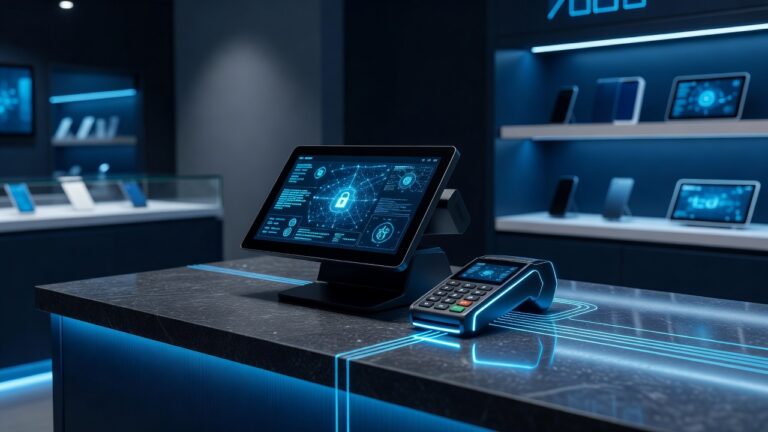
Walk into any of the independent retail stores along Main Street in Quincy, and you will likely see the same scene. A shopkeeper is typing a single, complex password into the point-of-sale terminal, the inventory management system, and the email client. It is the same string of characters for all three. It is also the same string of characters that the manager, the part-time cashier, and the delivery driver know. This shared credential model has been the backbone of small business operations for decades because it is simple. It requires no training, no hardware, and no extra steps. However, simplicity is no longer a luxury. It is a liability.
The primary pain point for these local businesses is not just the security risk, but the operational friction. When one employee leaves, the password must be changed. When a new hire starts, the password must be shared. If the password is forgotten, the entire shop is locked out of its systems until the owner remembers the hint. Multi-Factor Authentication (MFA) solves this by decoupling identity from a single secret. It allows each employee to have their own login, secured by something they know and something they have. This eliminates the “one password to rule them all” scenario and drastically reduces the downtime caused by credential management errors.
Why Shared Passwords Are a Silent Killer
The danger of shared credentials in a retail environment is often underestimated because the stakes feel lower than in a bank or a hospital. However, the data at risk is significant. Customer credit card information, supplier contracts, and employee payroll records are all accessible through that single login. If a part-time employee leaves on bad terms, or if a laptop is lost, the shared password remains valid until someone remembers to change it.
Furthermore, shared passwords create a bottleneck for troubleshooting. When the system acts up, the IT support provider cannot easily isolate which user is causing the issue. They see a single login ID with dozens of actions. This makes diagnosing problems slower and more expensive. MFA introduces individual accountability. Every action is tied to a specific person. If a refund is issued in error, the shop owner knows exactly who authorized it. This clarity is invaluable for small businesses that cannot afford long hours of downtime or internal disputes.
How MFA Works for Small Retail Teams
Implementing MFA does not require a massive overhaul of your existing infrastructure. Most modern point-of-sale systems and cloud-based inventory tools now support MFA out of the box. The process is straightforward and can be completed in an afternoon.
- Enroll Each Employee: Every staff member who accesses the systems gets their own unique username. This is the first step in breaking the shared password habit.
- Choose a Verification Method: For retail staff who are on their feet, push notifications to a smartphone or a simple six-digit code from an authenticator app are the most practical options. Hardware keys are secure but can be lost, which is a risk for employees who move between the front counter and the back office.
- Set Up a Backup Plan: Always ensure there is a secondary method for verification in case a phone is dead or lost. This prevents the very lockouts you are trying to avoid.
- Train the Team: Spend fifteen minutes showing the team how to approve a login request. Make it a habit, not a chore.
The Lockout Prevention Benefit
The title of this post mentions stopping lockouts, and this is a critical, often overlooked benefit of MFA. In a shared password environment, lockouts happen frequently. A user types the password incorrectly, the system locks the account for security, and now the entire shop is waiting for the owner to reset it. With MFA, each user has their own account. If one user locks themselves out, the rest of the team can continue working. The owner can reset that specific user’s credentials without affecting anyone else.
Additionally, MFA reduces the frequency of password resets. Because the second factor adds a layer of security, you can allow for slightly less complex passwords, or you can keep the same complexity but change it less often. This reduces the cognitive load on your staff. They are not constantly trying to remember a new, convoluted string of characters. They are simply approving a notification on their phone. This small shift in workflow leads to fewer errors and faster transactions.
Getting Started in Quincy
The transition to MFA is a small investment of time that yields a large return in security and efficiency. Start by auditing your current systems. Identify which platforms your team uses daily. Check if they support MFA. If they do, schedule a one-hour meeting with your staff to set up their individual accounts. Do not wait for a breach to force your hand. The cost of a lockout or a data leak is far higher than the cost of an hour of setup.
Quincy’s retail sector is resilient, but it is also vulnerable to the same digital pitfalls as larger corporations. By moving away from shared passwords and embracing MFA, you are not just adding a security layer; you are adding a layer of operational resilience. Your team will work faster, your data will be safer, and you will spend less time troubleshooting and more time serving your customers. The lockouts will stop, and the shared password era will finally end.